How Botanical Gardens Protect Orchids
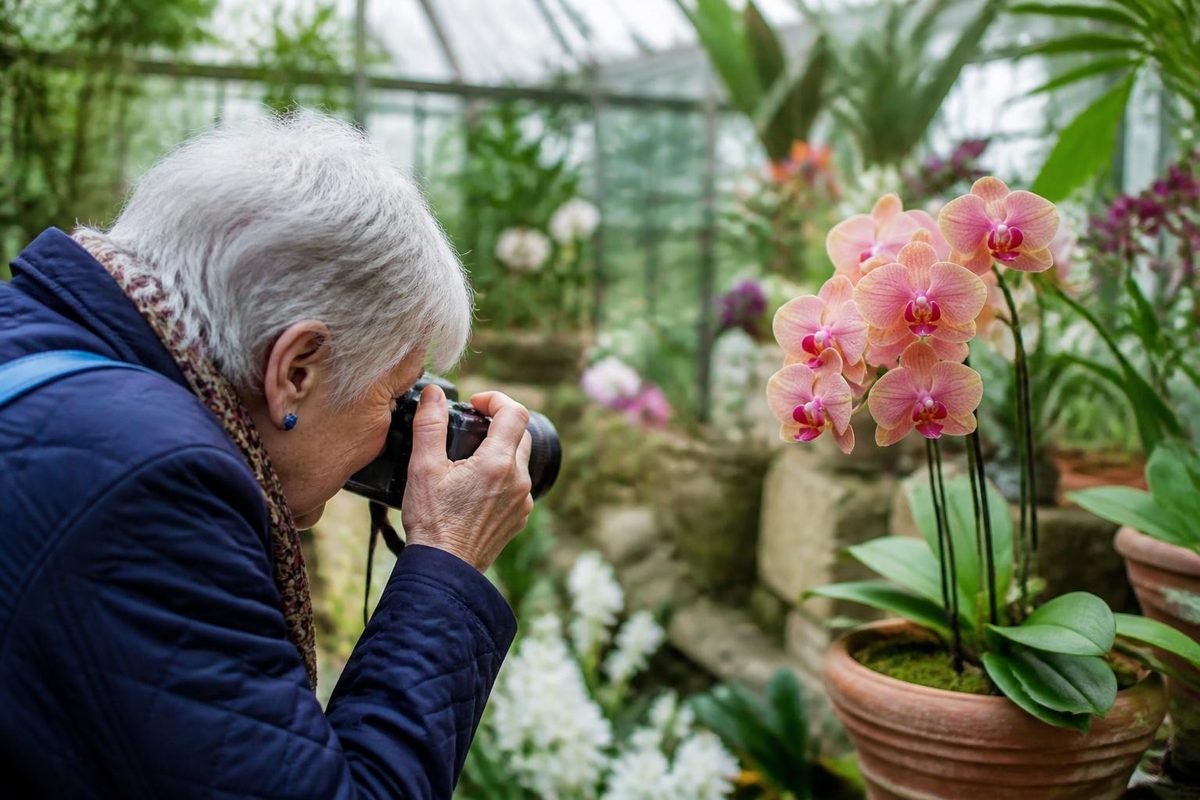
Botanical gardens help protect orchids from illegal collection by growing documented plants, supporting conservation and keeping sensitive location details secure. They also work with authorities and local partners to reduce demand for plants taken from the wild.
Keeping collections legal and traceable
A garden needs to know where its orchids came from. Staff keep records of a plant's identity, source and movement, along with permits where these are required. Good records help gardens distinguish responsibly acquired plants from specimens with a questionable history.
International trade in orchids is regulated under CITES, the Convention on International Trade in Endangered Species of Wild Fauna and Flora. The rules vary by species and circumstance, but permits are often needed for cross border trade. Gardens that exchange plants must follow the relevant requirements as well as national laws.
Some gardens also care for plants confiscated by authorities. These orchids may have uncertain origins, so they need careful documentation and assessment. A plant cannot simply be returned to the nearest forest and wished luck.
Growing orchids without taking wild plants
Propagation gives gardens another way to build and share collections. Orchids can be raised from seed under controlled conditions, although the process takes expertise. In nature, orchid seeds generally depend on relationships with fungi to germinate and grow.
Depending on the species, gardens may also propagate orchids by division or other techniques. Sharing legally propagated plants can support research and conservation while reducing pressure to collect more from the wild. A greenhouse full of seedlings is not a substitute for a healthy habitat, but it can be part of a wider plan.
Living collections can also act as a safeguard for threatened species. To be useful for conservation, however, plants need reliable records and careful management. A single attractive orchid tells researchers much less if nobody knows where it came from.
Protecting wild populations
Gardens work with conservation groups, researchers, authorities and communities on projects suited to local needs. Their contribution may include studying orchids, storing seeds, training growers or helping monitor threatened populations.
Information needs protection too. Publishing the exact location of a rare orchid can make it easier for collectors to find. Staff may limit access to precise records while sharing broader information that supports research and public education.
Visitors can help by asking how plants were sourced and choosing legally propagated orchids. Gardens can also explain why leaving wild orchids in place matters. A flower is much harder to admire in its habitat if someone has already dug it up.
- Ask for information about a plant's origin.
- Look for orchids propagated by a reputable grower.
- Never remove orchids from the wild.
Questions about orchid protection
Can a garden stop all illegal collecting?
No. Gardens contribute expertise and resources, but enforcement and habitat protection also depend on authorities and local partners.
Are all orchids protected by trade rules?
All orchid species are included under CITES, though the level of regulation and applicable exceptions differ. Domestic laws may add other protections.
Can garden grown orchids be returned to the wild?
Sometimes, but only with careful planning. Suitable habitat, genetic diversity, legal permission and long term monitoring all matter.
Have a look at Austrian business gift etiquette
Ends · BLOOMDIARY55